Science fiction
The Niffen fragment (9,800 words)
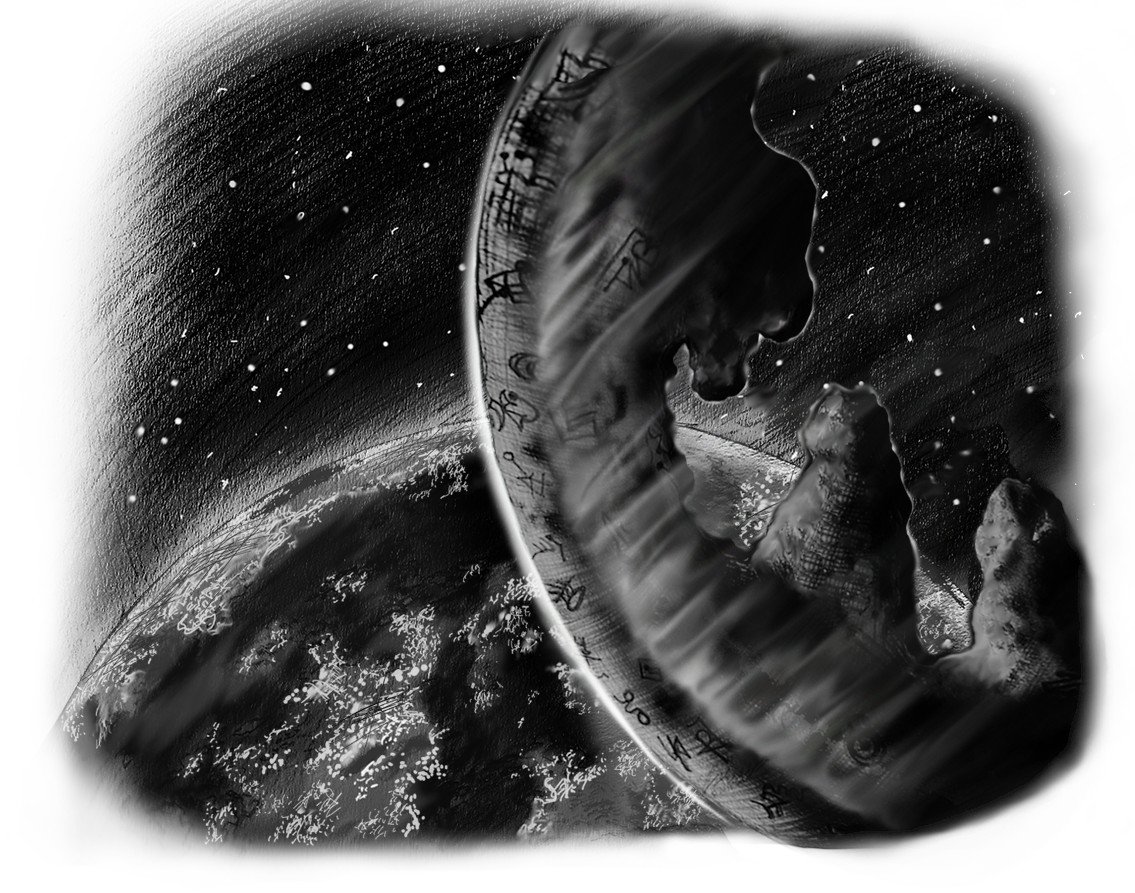
There are two versions of this story: this is the longer one. It is by far the longest ‘short’ story I have ever written—it’s almost long enough to be a novella. More on that shortly.
During 2010 or thereabouts I went through a phase of rereading classic SF novels, and as a result got the urge to write an SF story featuring a technical, logical, mathematical conundrum. I also wanted it to feature the human attributes of those involved in solving it—or trying to (unlike those old SF novels, which were heavily plot-based and didn’t develop even the main characters much).
I had a lot of fun inventing the characters for this story, especially their names, for example Daniel Delaney, Jake Vance, Jenna Henderson and, of course, the name underpinning the whole story—Harry Niffen. If you are a SF fan, I'm sure you get the picture.
Members of the Glasgow SF Writing Circle liked the story but said it was too long. Well, I still like this long version even though, as you will see when you get to the next story, the shorter version actually achieved some success.
The last words of Harry Niffen (5,900 words)
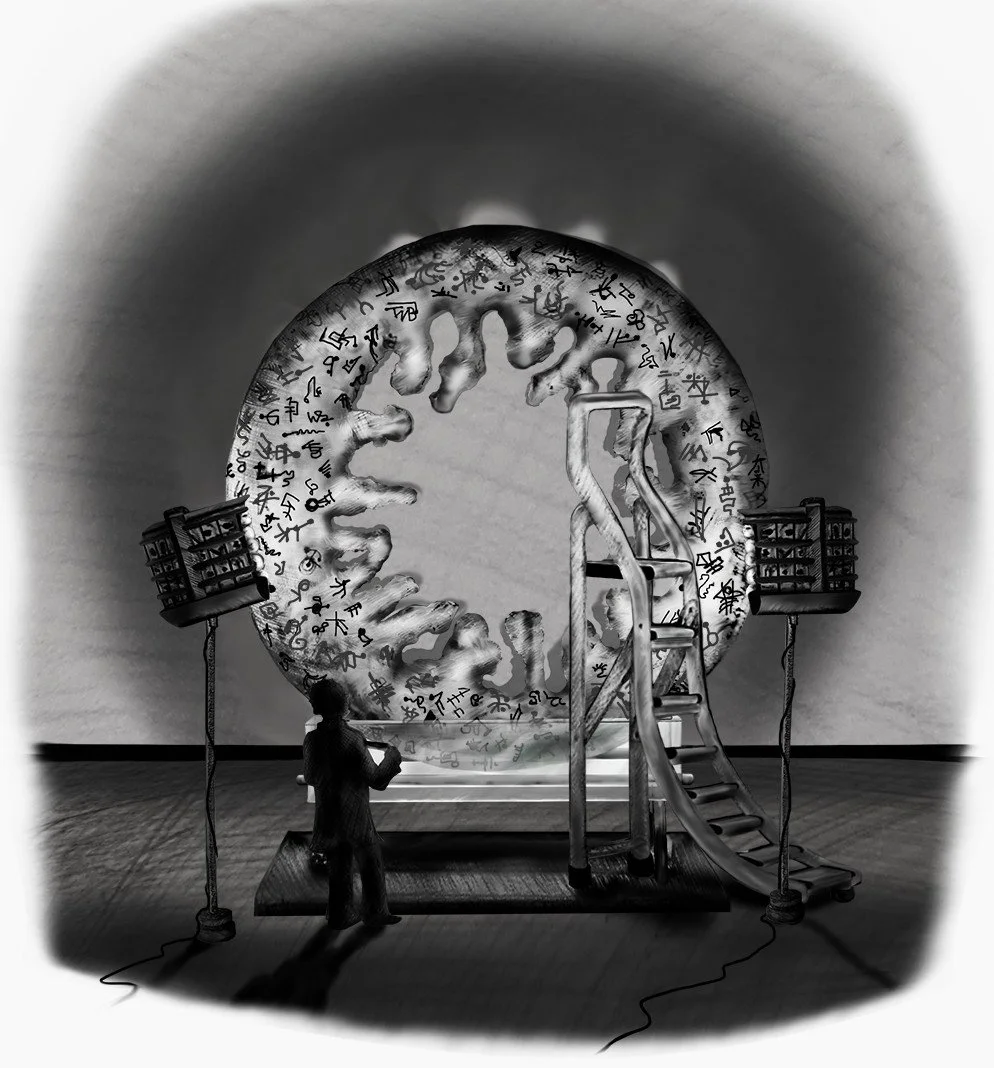
So this is the shorter version of the Harry Niffen saga. I devised it by cutting characters and events, removing some of the technical details, and setting out the story in bite-sized chunks but, as I mentioned in the box comments to The Niffen Fragment, I still prefer the longer version as it gives a lot more about the context I moan about in the Introduction to this volume.
I entered this version of the story for the James White Award 2019 and from an initial entry of several hundred stories, The Last Words of Harry Niffen made it to the last six. Of that I am very proud; and maybe there is an argument for shortening the original story after all.
Homogeneity (3,100 words)
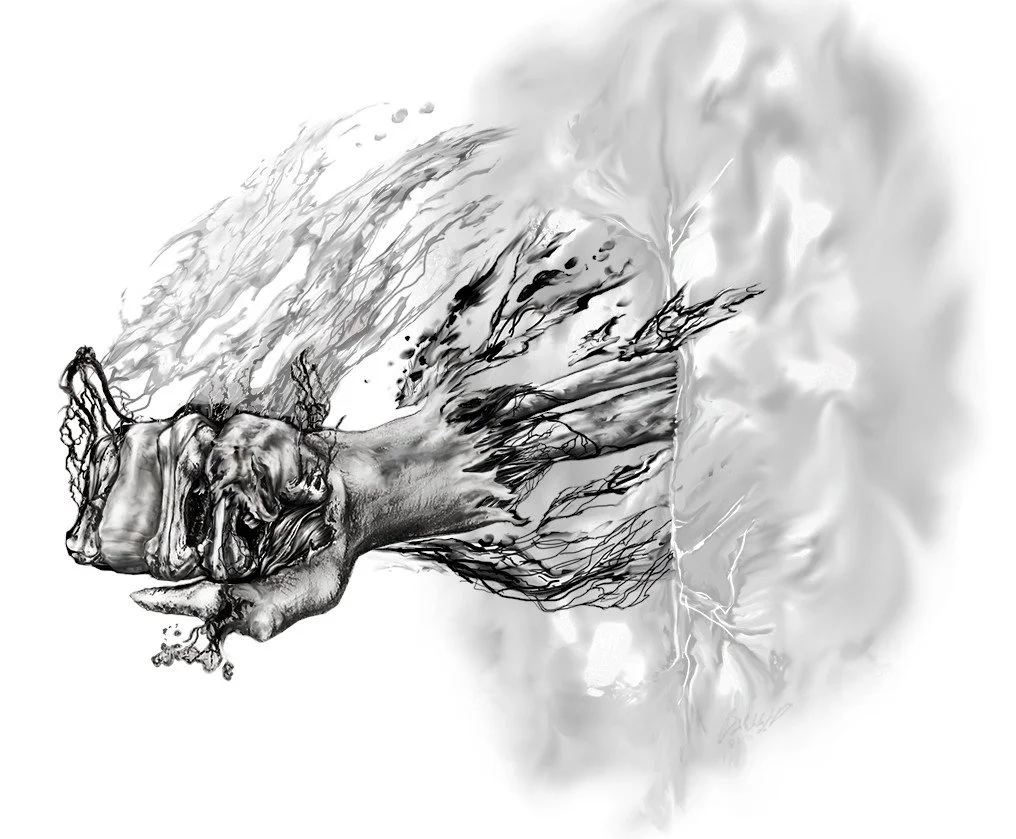
During 2013 I copy-edited a very interesting book on the philosophy of history—well, that was partly what it was about, and it focused on the time of the Greeks and Romans. It struck me that if you were caught up in, say, the fall of the Roman Empire, it wouldn’t be much fun: it would be hard to place the events of the day in the context of history. Not a new thought, but it inspired me to think about writing a story that included snippets written by someone far in the future, putting our present and near future into the context of history. Also not a new thought (Asimov’s Foundation series springs to mind), but it was new to me, and I wanted to interweave the fake philosophy with an individual story—the story of the person writing in our distant future.
In fact, suppose that person was wrestling with some personal problem at the same time as writing his philosophy of history? In fact—no. No more spoilers. Read the story.
This story went down quite well with the hawkish members of the Glasgow SF Writers Circle. One of them ruefully remarked that I certainly expected my readers to work. Well, as they say in fitness fanatic circles, no pain, no gain. Why shouldn’t the same be true of writing circles? And anyway, as Al Jolson famously remarked, “You ain’t seen nothin’ yet.”
Island (4,800 words)
I’m not quite sure what inspired me to write Island. I wanted to write something that was heavy, mysterious and set in the future, all at once. The result is a little like a cross between the place between worlds in C S Lewis’s The Magician’s Nephew, and an apocalyptic novel such as George O Stewart’s Earth Abides.
People who read it say, ‘What’s it about?’ and truthfully I reply, ‘No idea.’ But I like to think the description of the place where Enoch finds himself trapped by a storm - and the description of the storm itself - give the story some weight. And what happens when the storm clears and Enoch finds… well, you’ll have to read the story to discover what he finds… but he finds something that is a mystery. And the whole story has the feel of being set many years in the future.
So perhaps I succeeded in writing what I set out to do. I like to think so but, as usual, you must decide.
Messages (3,000 words)
I must have been in a funny mood when I wrote Messages. It’s science fiction all right, but it’s also written as a comedy, with ludicrous characters and an even more ludicrous physics experiment holding the story together. It’s one of my favourite stories.
The world is in a parlous state after nuclear Armageddon and a general disinterest in doing anything about climate change. Humans have built warrens all over the world: the only bits poking up above the surface are structures that house experiments that involve examining the sky. And in one of these structures Reg (really evil genius) and his assistant Renfield discover a curious set of parameters that stop a laser from completing its journey.
Reg is not really evil, of course, and his assistant isn’t really called Renfield, any more than the intern who comes in to help them is really called Igor. Anyway, I actually did some research for this story and some of the maths in it is factual. Nothing else is. Especially not the messages which give the story its title. I think the whole thing hangs together rather well and is rather amusing.
I must send it off somewhere.
[The link to ‘read the story’ is temporarily disabled, as Messages is going to appear in an anthology produced by the Glasgow SF Writing Circle, and it’s a condition that the story doesn’t appear anywhere. I shall add a link to the anthology in due course.]
Read the story
The Queue (2400 words)
I wrote The Queue as an entry into the Ayr Writers Club short story competition towards the end of their 2026 season. Of course I ran it through the Glasgow SF Writing Circle’s grilling process first, and they helped with a few suggestions. I didn’t take on board everything they said but I must have taken enough, as the story placed first in the competition and made me £15 richer (in book token currency).
I have managed to lose the adjudicator’s comments, but basically she told me that a) I gave her a lot to think about and b) despite the parameter of 2000-2500 words, she thought I introduced both the plot and the characters even in that relatively low wordcount.
Well, thank yo, ma’am.
I will now keep my eyes open for a suitable book purchase and no doubt that will spawn another book review blog post.